Benefits of Interactive Play Daycare for Des Plaines Families

Interactive play builds the foundation for early learning, and families in Des Plaines, IL, are discovering why an Interactive Play Daycare approach can give young children a meaningful head start. When parents compare childcare options in the northwest suburbs of Chicago, questions about curriculum, socialization, and kindergarten readiness come up again and again. This post breaks down the real benefits of play-based learning so families can make a more informed choice.
What Is Interactive Play Daycare and Why Does It Matter?
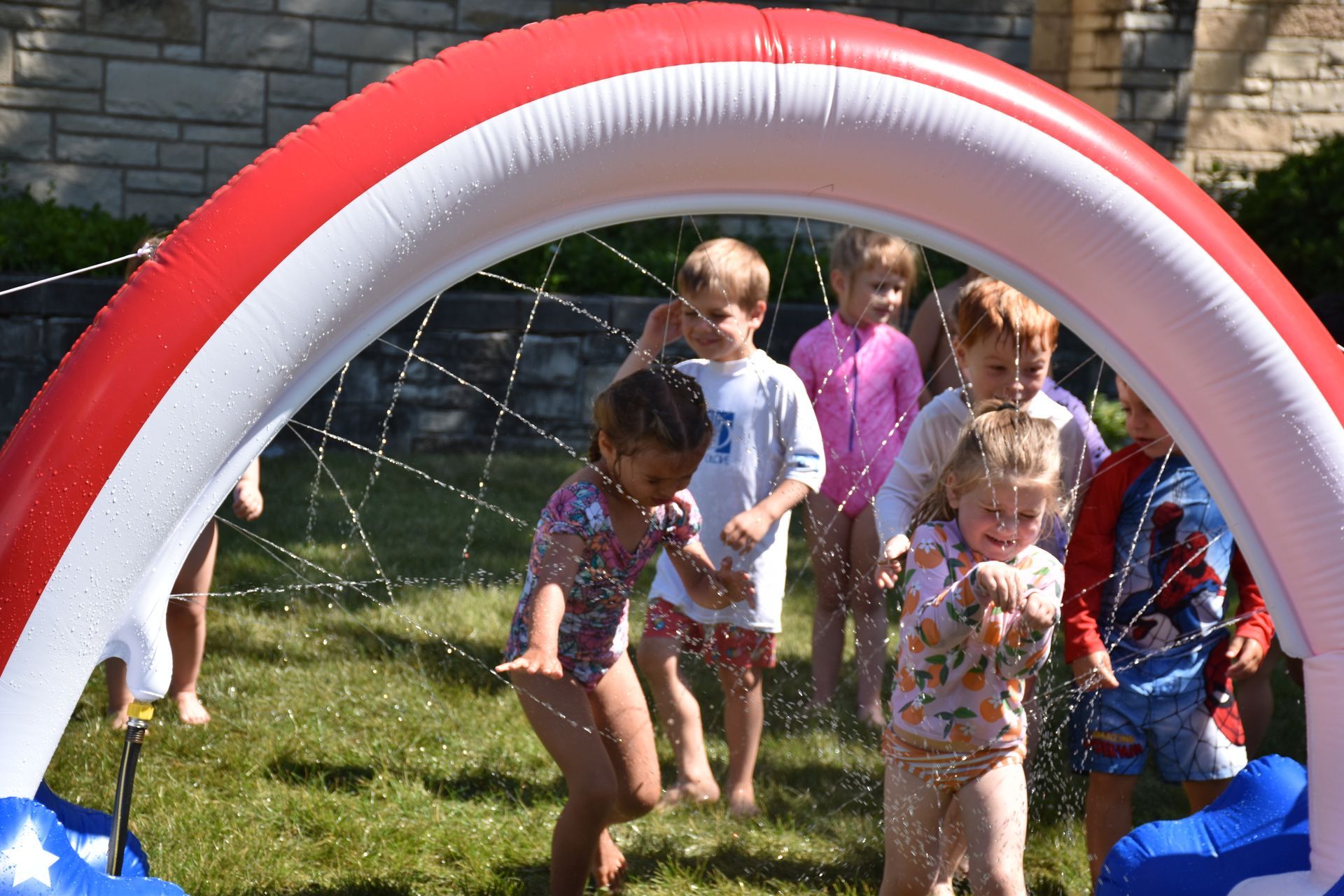
Play-based learning is one of the most research-supported approaches to early childhood education. An Interactive Play Daycare program treats play as the primary vehicle for building skills rather than a break from learning. Children explore language, problem-solving, creativity, and social awareness through hands-on activities rather than rote instruction.
Rather than sitting still for lectures, kids learn by doing, building, pretending, and creating alongside their peers. For toddlers and preschoolers, this mirrors how their brains are wired to absorb new information.
Des Plaines families often have two working parents and busy household schedules. Choosing a daycare that blends genuine learning with a warm, joyful environment can make the daily drop-off much smoother for everyone.
Key Benefits for Young Children
Interactive play supports development across several areas at once, making it especially valuable during the early childhood years.
Language and Communication Skills
Children in play-based environments hear and use language constantly. When a child narrates a pretend scenario, asks a question during storytime, or describes a craft project to a teacher, those are real language-building moments. Research consistently shows that rich verbal interaction during the early years supports vocabulary growth and later reading skills.
A theme-based curriculum adds another layer. When each week centers on a topic such as seasons, animals, or community helpers, children hear the same vocabulary repeated in multiple contexts, reinforcing retention naturally.
Social and Emotional Development
Learning to share, cooperate, and manage emotions is some of the most important work a young child can do. In an Interactive Play Daycare setting, children practice these skills organically every day. Taking turns on the playground, working together on a group craft, or resolving a small dispute over toy trucks teaches emotional regulation in a safe, supervised space.
Curriculum goals for two- and three-year-olds typically target expressing emotions, separating comfortably from parents, and playing alongside peers. By the four- and five-year-old stage, cooperative play and greater independence become the focus. These milestones build on each other in a structured but flexible environment.
Cognitive Growth and Problem-Solving
Interactive play regularly challenges children to think, predict, and figure things out. Building with blocks requires spatial reasoning. A pretend grocery store involves counting and categorization. Following a three-part instruction from a teacher strengthens working memory.
A well-structured daily schedule that moves between free play, large motor time, and teacher-led activities like stories, music, and crafts gives children varied cognitive experiences throughout the day without overstimulation.
Kindergarten Readiness
One of the biggest concerns Des Plaines parents share is whether their child will be prepared for elementary school. An Interactive Play Daycare approach does not sacrifice academic readiness for fun. Instead, it builds the foundational skills teachers look for at kindergarten entry: the ability to focus, follow directions, communicate needs, cooperate with peers, and engage with structured activities.
Children in quality interactive play programs often arrive at kindergarten with stronger language skills, a longer attention span, and more confidence in group settings, all of which support a smoother transition.
Large Motor and Physical Development
Physical activity is woven into the fabric of a good interactive play program. Daily large motor time, whether in a gym or on an outdoor playground, supports coordination, balance, and body awareness. Movement also supports focus, mood regulation, and cognitive function in young children.
For families in the northwest suburbs, outdoor play may be limited during Chicago-area winters. A daycare with dedicated indoor gym space helps ensure children stay active year-round.
What to Look for in a Play-Based Daycare Serving Des Plaines
Not all programs that call themselves play-based deliver the same quality. A theme-based curriculum that builds age-appropriate activities around weekly topics helps children develop depth of knowledge rather than scattered exposure. Teacher-to-child ratios matter as well. Illinois DCFS licensing sets specific ratios, such as one teacher per eight two-year-olds and one per ten older children, helping ensure each child receives adequate individual attention.
Scheduling flexibility is another practical consideration. Full-day and half-day options help working families find a program that fits their calendar without compromising on quality. Seasonal events, holiday programs, and summer camp offerings extend the social learning calendar and give children memorable experiences that reinforce skills built throughout the year.
A Trusted Interactive Play Daycare Serving Des Plaines Families
Christie's Carousel of Learning is located in Park Ridge, IL, and has been proudly serving families from Des Plaines and surrounding northwest suburbs since 1981. The program's play-based, theme-driven curriculum is built around the belief that social interaction and a stimulating environment lay the groundwork each child needs before entering elementary school.
If you are a Des Plaines family exploring your options, learn more about the childcare curriculum or contact us to schedule a tour. You can also call (847) 825-4568 to speak with Jan, Judy, or Nancy directly. Visit Christie's Carousel of Learning on Google to read reviews from families across the northwest suburbs.
You May Also Like